The Intricacies of Mahjong: Understanding This Timeless Game
Introduction to Mahjong
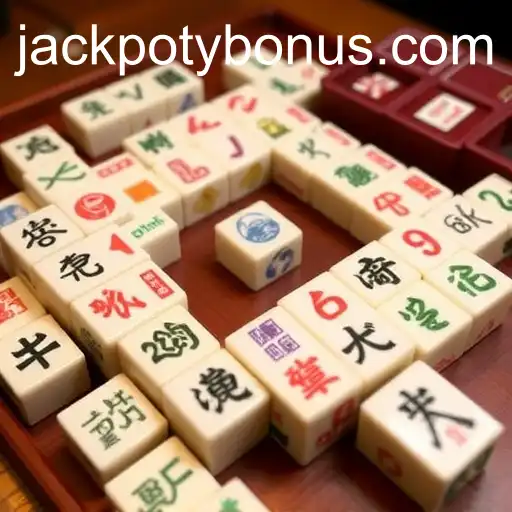
Mahjong is a game steeped in history and tradition, originating from China and quickly spreading across the world to become a staple in many households. The game is traditionally played with tiles, each etched with a variety of symbols and characters. Its enduring popularity stems from its combination of skill, strategy, and a touch of luck, making it similar to both card games and board games, yet entirely unique.
While modern versions of Mahjong can be found online, offering platforms for players to connect and play remotely, the game maintains its charm when played in person, where the sound of shuffling tiles and the tactile feedback of the pieces add to the experience. Those who have played Mahjong understand that it offers countless moments of tension and excitement, particularly when one is close to winning and seeking that final piece for a jackpoty victory.
The Basics of Mahjong
At its core, Mahjong is played with a set of 144 tiles based on Chinese characters and symbols, though variations can occur. The primary objective is to be the first player to assemble a complete hand using fourteen tiles, structured into a combination of sets and pairs. This can be further broken down into "chows", which are a sequence of three consecutive numbers in the same suit; "pungs", which are three identical tiles; and a "pair", which consists of two identical tiles.
The Allure of the Jackpoty Win
One of the most thrilling aspects of Mahjong is achieving a jackpoty win, a term used to describe a player who wins the game against all odds, or in spectacular fashion. In some variations of the game, this might involve not only having a complete hand but doing so in a particularly skillful or difficult manner, much like achieving a royal flush in poker.
The strategic thinking required to achieve a jackpoty win involves not just a strong understanding of one's own hand but also a keen awareness of the tiles being discarded and the potential hands of opponents. This layer of strategy is part of what elevates Mahjong beyond a simple game of luck.
Mahjong in Popular Culture
Mahjong has transcended being merely a game and has embedded itself in various aspects of popular culture. Many find its principles of patience, strategy, and harmony to be reflective of important historical and cultural ideals. In literature, cinema, and television, Mahjong is often used as a metaphor for life itself, symbolizing the balance between chance and skill.
Furthermore, digital platforms have introduced Mahjong to a new audience, allowing for the adaptation of traditional Mahjong into various online formats. These platforms ensure that people from all over the world can enjoy the thrill of a jackpoty win, regardless of their understanding of traditional kanji or Chinese characters.
Learning and Mastering Mahjong
For those new to Mahjong, diving into this complex yet rewarding game might seem daunting. However, resources are readily available for beginners seeking to understand the rules and strategies. Many start by familiarizing themselves with the basic structure of a hand, discovering the significance of different tiles, and learning how to plan for offense and defense.
Many Mahjong enthusiasts recommend starting with a beginner's set and gradually immersing oneself in tutorials, clubs, or online games. Practice is crucial, as it helps develop the ability to identify potential jackpoty scenarios, heightening one's strategic acumen and anticipation skills. Observing seasoned players or participating in Mahjong clubs can also greatly enhance one's understanding and enjoyment of the game.
Conclusion
While Mahjong might initially appear complex, its growing popularity proves its timeless appeal. Whether played in a familial setting or competitively, Mahjong offers moments of excitement and challenge that are both rewarding and intellectually stimulating. Achieving a jackpoty win is just one of many highlights this classic game has to offer.